Detox with Ayurveda

Lots of people all over the world are interested in detox and the topic is getting plenty of media attention. But the concept has a long tradition behind it. These kinds of detox processes have a firm place in the millennia-old Ayurvedic teachings. Never has this been more relevant, because unhealthy diets, smoking, alcohol, stress and environmental toxins are all putting a strain on people. Ayurvedic detox therapy takes the strain off our body allowing a return to health and restoring inner strength.

Detox

when the body needs help

Environmental toxins such as dioxins, PCBs and plasticisers can be stored in fatty tissues
some for several years

According to the German Federal Environment Agency, the most toxic dioxin has a half-life of approximately seven years; in other words, over the course of this period only half of the dioxin is broken down. Other dioxins have a half-life of 20 years.

"You will never hear the terms detox or cleansing from a traditional Indian Ayurvedic doctor, but Europeans like these concepts", explains Andreas Michalsen, Head of the Department for Natural Medicine at Immanuel hospital in Berlin and current holder of the endowment professorship for naturopathy at the Charité.

By contrast, Ayurvedic doctors tend to talk much more about digestive problems. This is because, according to Ayurvedic teaching, impaired digestive strength results in an accumulation of undigested metabolic intermediate products (Ama). Ama acts as a toxin in the body and can inhibit the free transportation of substances through the body's natural pathways because of its sticky properties. Accumulated Ama also facilitates the development of illness. A healthy organism is capable of eliminating/excreting accumulated Ama with the help of a well-functioning digestive system. A weakened organism encourages the development of Ama, thus facilitating the occurrence of various medical conditions.


The Three Doshas

In Ayurvedic teachings, the world is clearly regulated: it consists of the five elements of space/ether (Akasha), air (Vayu), fire (Agni), water (Jala), and earth (Prithivi). These energy forms combine to form holistic functional principles and determine everything: the nature of stones as well as that of plants, animals, and humans.

A dynamic balance exists between the elements. It adapts to the constantly changing needs and functions of the body. Furthermore, it is dependent on external influences: seasons affect human well-being just as much as the time of day or age.

MAIN CHARACTERISTICS OF THE VATA TYPE

Vata types are exceptionally creative , communicative , and brimming with ideas. They are easily enthusiastic but risk becoming scattered and quickly finding something new, supposedly better, for themselves. They grasp things quickly and forget them just as fast. Their willpower is not very strong. People with a Vata constitution often have a delicate bone structure and are light in weight. They tend to have dry, rough skin. Physically, they are very active. Their appetite and digestion are variable. Vata types love sweet, sour, and salty foods. They often suffer from cold hands and feet.

MAIN CHARACTERISTICS OF THE PITTA TYPE:

The fiery Pitta types are characterized by quick comprehension , high intellect, and ambition . They are natural leaders, brimming with energy and strength and possessing a penchant for perfection. Their driving force is passion. Their goal: to win.

Pitta-dominant constitution types love challenges, both professionally and in sports. They have an athletic build, and their charisma is-as one would expect-fiery. Their hands and feet are never cold, not even in winter. Pitta types enjoy sweet and bitter tastes, and they like cold drinks.

MAIN CHARACTERISTICS OF THE KAPHA TYPE:

People dominated by Kapha energy act thoughtfully and thoroughly . To others, they may sometimes appear somewhat slow and sluggish, but they are very persistent and strong . When a Kapha type has a new goal in mind, they pursue it patiently and tenaciously until successful completion. Food is their great passion: this is why Kapha individuals tend to be overweight throughout their lives. Kapha personalities especially value inner peace, tranquility, and harmony. They can also enjoy the small beauties of life.

Original Ayurveda Panchakarma

Panchakarma - the Royal Cure

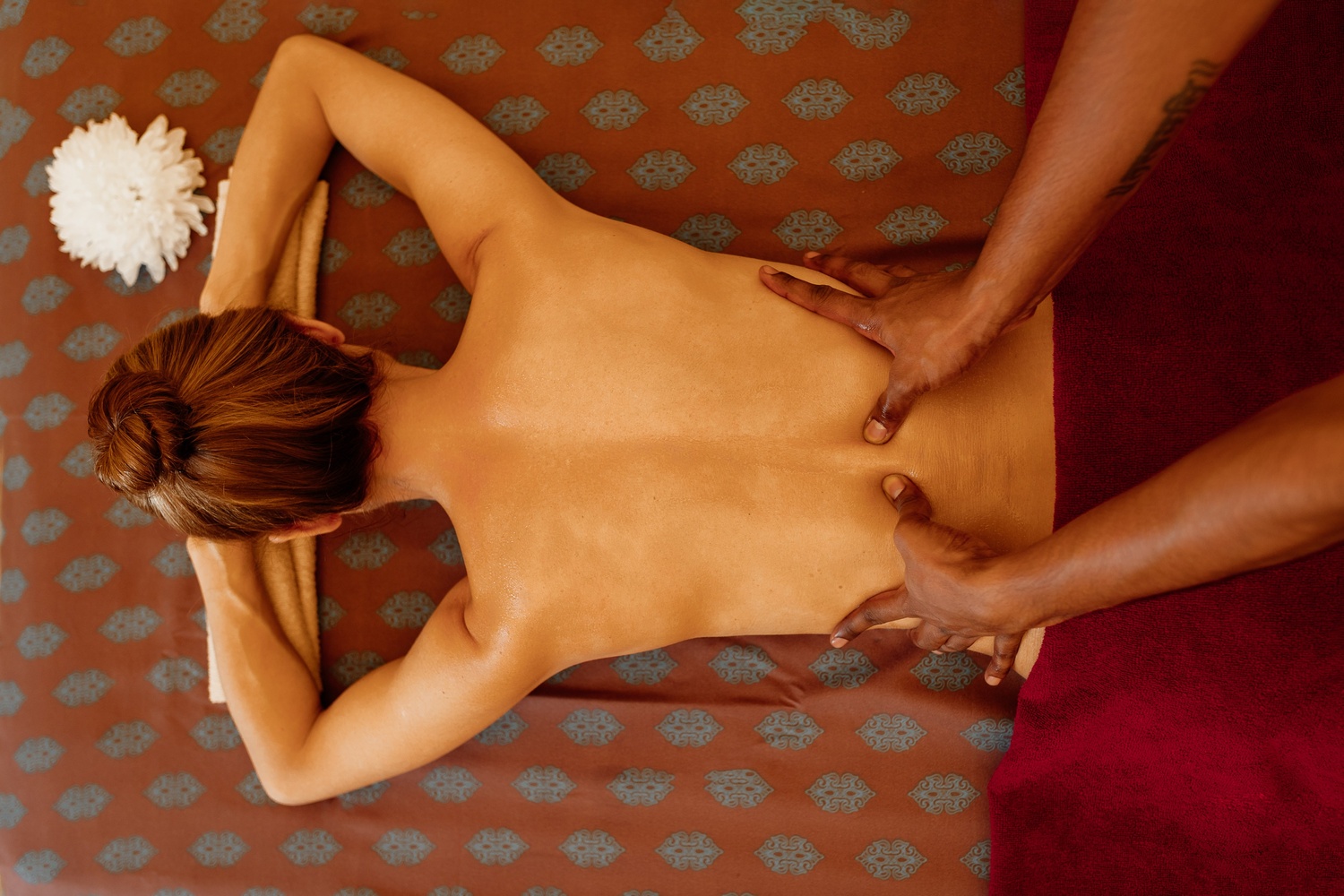
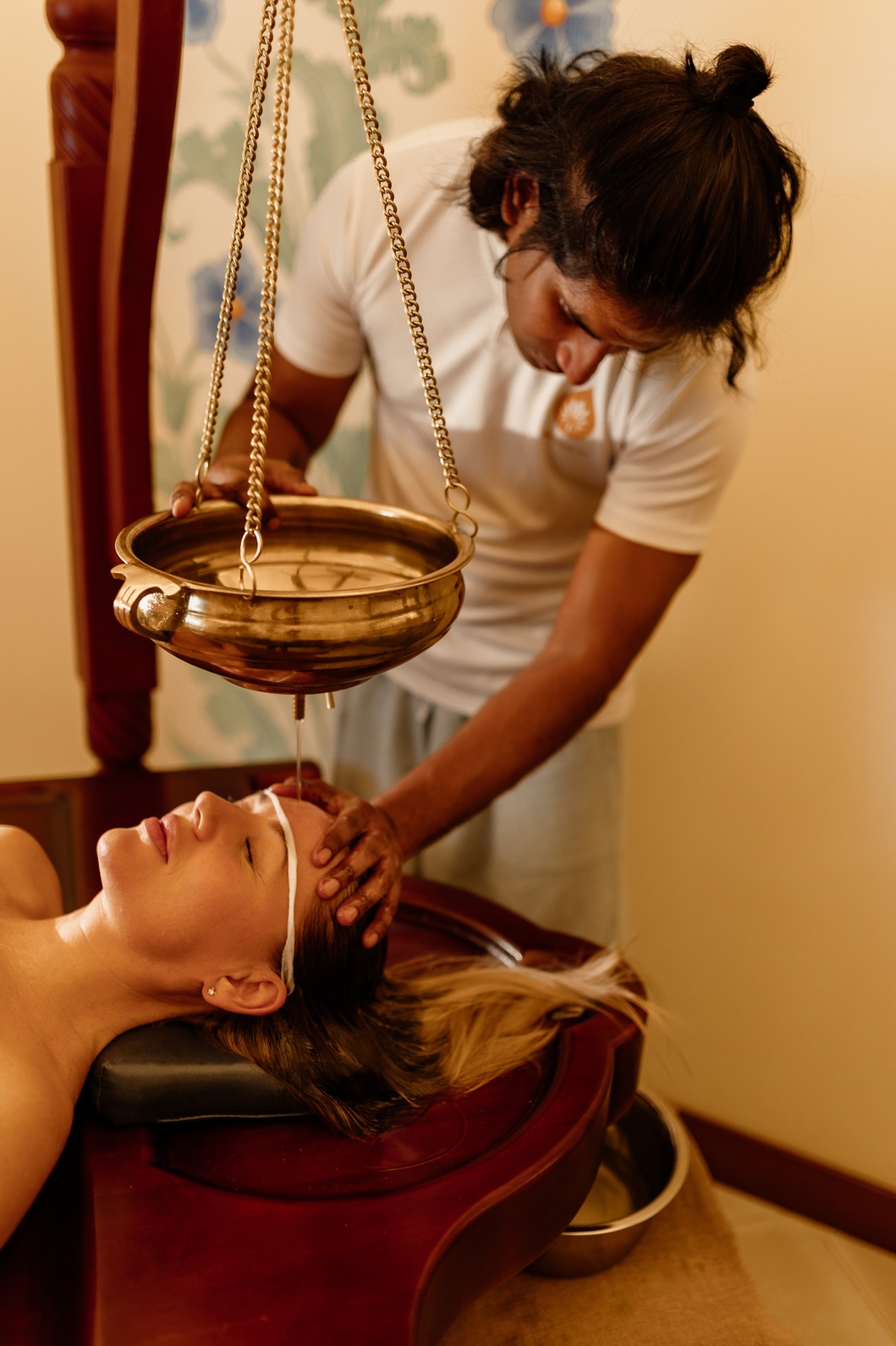
The heart of Ayurvedic purification therapies is Panchakarma treatment. It is the most effective method for physical cleansing and regeneration ; a system of precisely coordinated physical therapies. Gently yet profoundly, it frees the body from metabolic waste products and restores balance to the doshas . In this way, preventive Panchakarma therapy eliminates the foundations of disease. We use the treatment curatively for a variety of conditions, including type 2 diabetes, allergies, anxiety and sleep disorders, burnout, chronic headaches, bronchial and sinus infections, cardiovascular diseases, post-operative care following major surgery, rheumatism, stress, metabolic disorders, and tinnitus. Ideally, Panchakarma therapy usually last from 9 days to three weeks to allow its full power and effect to unfold.

Nutrition

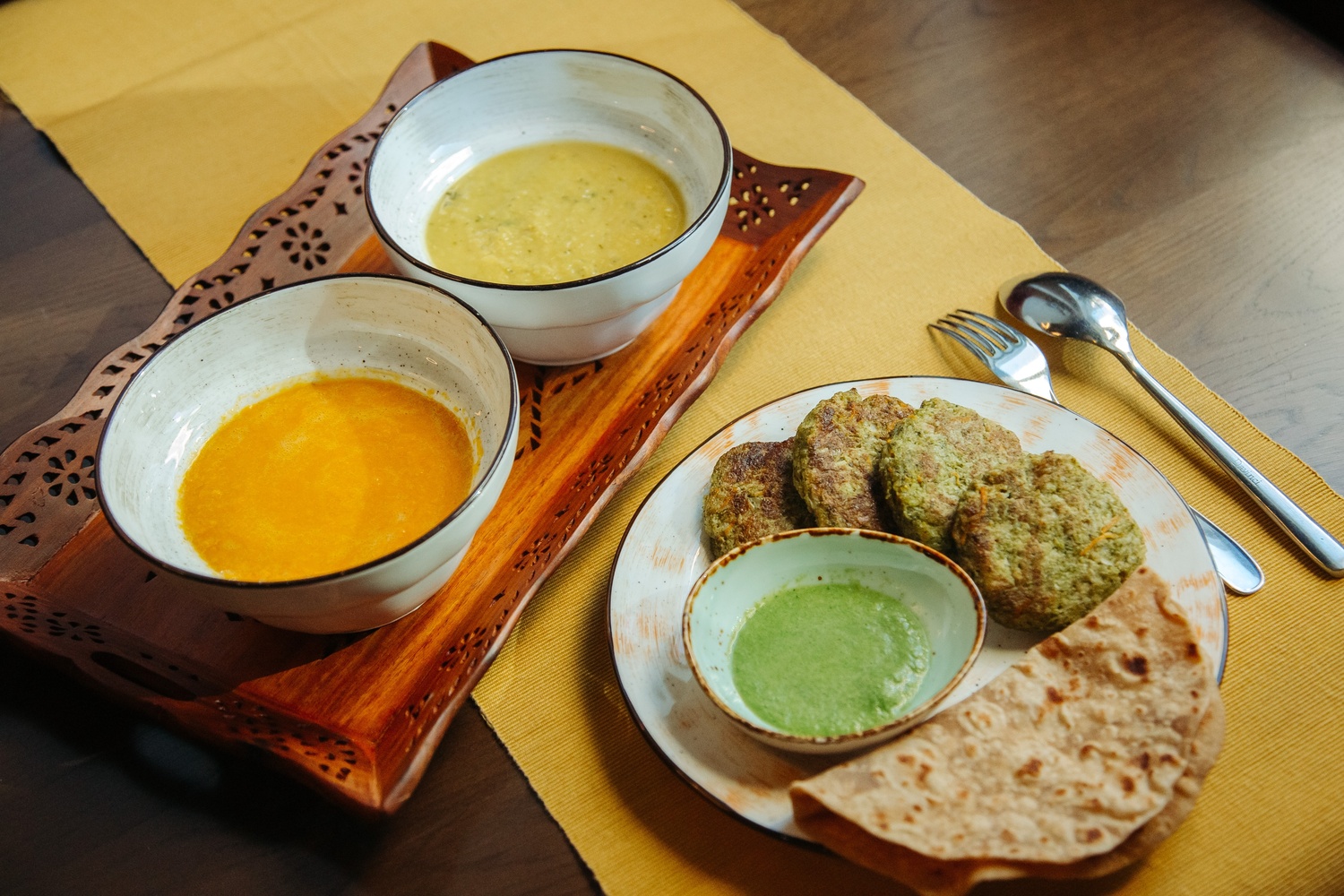
In Ayurveda, proper nutrition is just as important as treatments and yoga exercises. Digestive power (Agni) has therapeutic effects: it transforms food into energy and building blocks for life. Therefore, it is important to nourish our bodies with foods that correspond to our individual constitution.

Oils & Medicine

In today's world, it is becoming increasingly difficult to obtain authentic and natural Ayurvedic medicine. We ensuring impeccable quality for the benefit of its guests. Therefore, we have our own in-house production facility, which is under the strict supervision of our doctors.

A research and development team also ensures the impeccable quality of our medicines. Our Production has been officially certified for Good Manufacturing Practice (GPM). In our factory, we produce a total of approximately 225 Ayurvedic medicines and products.

To get the digestive fire burning again

Detoxification with Ayurveda

The digestive system is a central issue in Ayurveda and in Ayurvedic detox treatments. But the focus is not on enzymes or individual organs such as the stomach or bowel, but instead on the specific interplay between the tridosha and Agni, the digestive fire, and the formation of healthy tissues. Everything we eat and drink has to be processed by our body. This process takes place at all levels: in the gastrointestinal tract, in our brain, in our sensory organs and in every cell. As soon as we eat or drink, the body reacts because it is facing a huge task: every second it has to produce about 3.8 million to 25 million cells to replace other cells.

Repressed Emotions


Recognise your emotions and let them show.

According to Ayurvedic understanding, health is influenced not only by diet and lifestyle but also by our emotional state. While unhealthy food, alcohol, nicotine, and environmental pollutants can weaken the body, suppressed emotions may also contribute to imbalance.

In my practice, I often observe that emotions such as anger, fear, anxiety, attachment, and resentment can affect both physical and mental well-being .

Unexpressed anger and frustration may aggravate Pitta, while fear and anxiety can disturb Vata. Emotional imbalances can influence digestive function and may contribute to bloating, food sensitivities, and other signs of imbalance.

For this reason, I encourage clients to acknowledge their emotions rather than suppress them. Recognising and processing feelings in a healthy way helps restore harmony between body and mind and supports overall well-being.

what is it all about?

Much more than a wellness trend

Ayurveda

Medicine and Philosophy of Life

Ayurvedic medicine is over 5,000 years old, making it the oldest practiced health system in the world. Translated from Sanskrit,
Ayurveda means "science of life."

One of the most important foundational texts, the Sushruta Samhita, defines health over 2,000 years ago:

*"A person is considered healthy if their physiology is in balance, their digestion and metabolism work well, their tissues and excretory functions function normally, and their soul, mind, and senses are in a state of lasting inner happiness."*

The World Health Organization (WHO) offers a similar definition: *"Health is a state of complete physical, mental and social well-being and not merely the absence of disease or disability."*

The holistic approach of Ayurvedic medicine is why it has gained such recognition over the past two decades. People are increasingly recognising that this traditional Indian medical system can not only address illness but also prevent it. Ayurvedic therapies revitalise body and mind, increase well-being, and restore the strength that modern lifestyles have depleted.